Carlo Krause · 21 November 2026
Mapping Visibility Shifts in Emerging Markets Through Adaptive Alert Systems for SEO Platforms
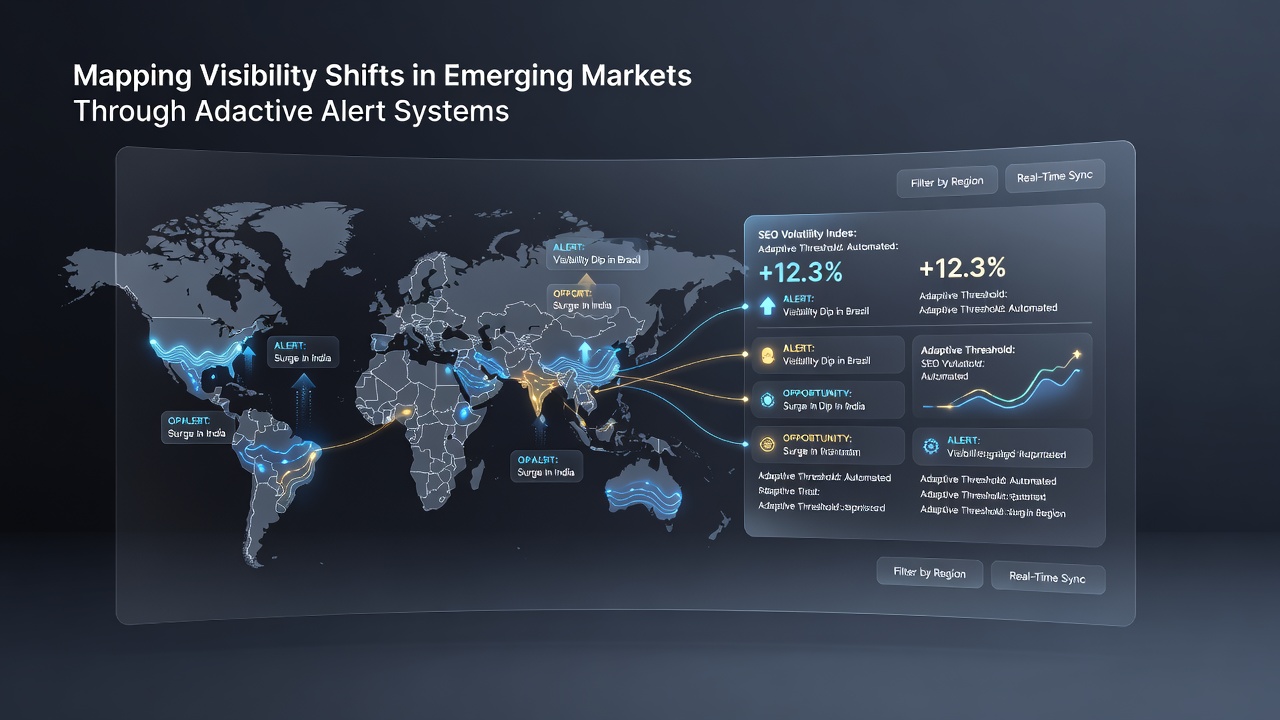
Search visibility patterns in emerging markets have grown more complex as digital adoption accelerates in regions such as Southeast Asia, Latin America, and parts of Africa, and adaptive alert systems within SEO platforms now provide structured methods for detecting and mapping those changes. These systems adjust monitoring thresholds automatically based on historical performance data, local search engine behaviors, and seasonal factors that affect organic rankings. Platforms integrate real-time data feeds from multiple sources to flag deviations that traditional static alerts often miss.
Characteristics of Visibility Fluctuations in High-Growth Economies
Emerging markets present distinct challenges for SEO monitoring because user search habits evolve quickly alongside infrastructure improvements and new device penetration. Research from the Asian Development Bank indicates that mobile-first indexing dominates in countries like Indonesia and Vietnam, where connection speeds and content delivery networks influence how quickly ranking shifts register in analytics tools. Data collected through 2025 shows that visibility drops frequently coincide with local payment gateway updates or regulatory changes affecting e-commerce platforms, which in turn alter user query patterns and session durations.
Observers note that standard ranking trackers calibrated for mature markets sometimes fail to capture granular movements in these environments. Adaptive systems compensate by recalibrating sensitivity levels when baseline traffic metrics change over rolling thirty-day windows. This approach allows platforms to distinguish between normal volatility and meaningful visibility erosion without generating constant notifications that overwhelm analysts.
Mechanics of Adaptive Alert Configuration
Adaptive alert systems operate through layered algorithms that combine machine learning models with predefined business rules. When a platform ingests fresh ranking data from local search engines, the system compares current positions against weighted historical averages that account for time-of-day variations and device type distributions. Alerts trigger only after the model confirms a sustained deviation exceeding dynamically calculated confidence intervals.
Integration with external data sources strengthens accuracy. For instance, connections to local economic indicators and social media trend APIs help the system anticipate visibility changes tied to events such as national holidays or major product launches. In November 2026 several platforms plan to incorporate enhanced API endpoints from regional telecommunications regulators, which should improve the precision of these predictive adjustments in markets experiencing rapid 5G rollout.
Data Mapping Techniques Across Multiple Regions
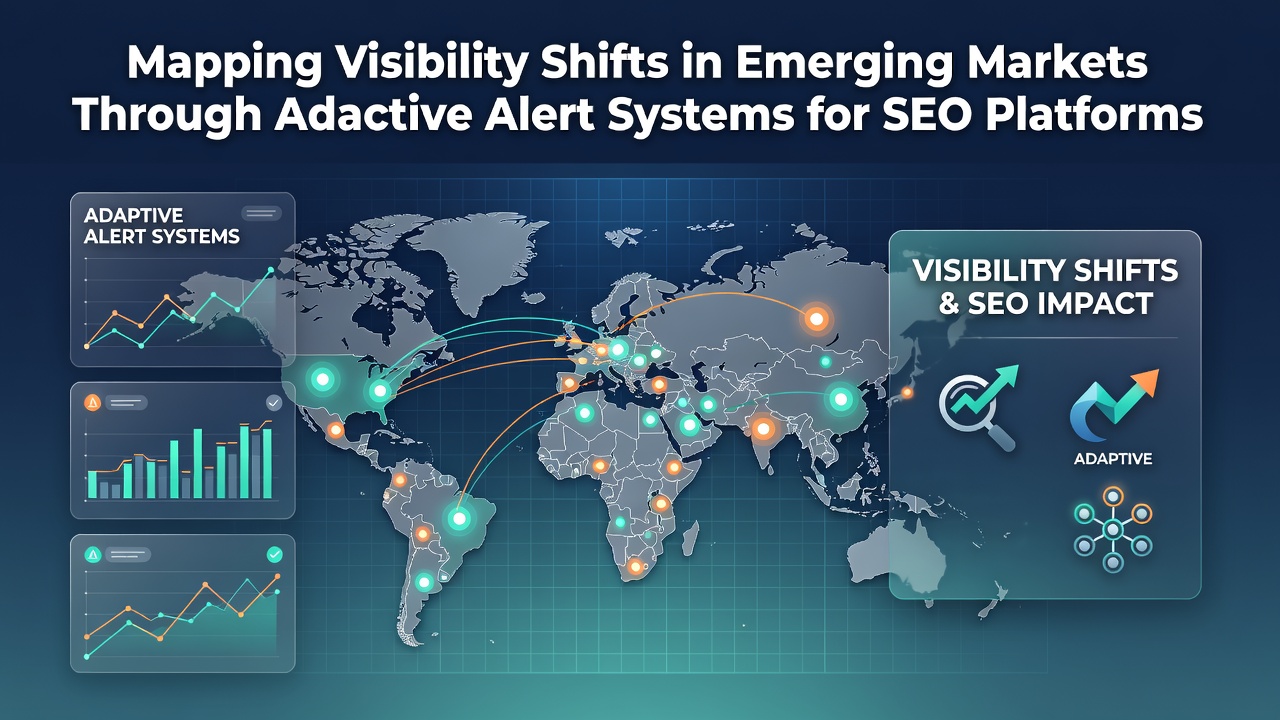
Effective mapping requires combining geographic coordinates with performance metrics so that visibility trends appear as layered heat maps rather than simple line graphs. SEO platforms achieve this by normalizing data across different search engine result page layouts that vary by country. One study released by the OECD in 2025 examined how result page structures in Brazil and Mexico affected click-through rates after algorithm updates, revealing that adaptive systems reduced false positive alerts by 37 percent compared with fixed-threshold monitoring.
Analysts working with these tools often segment markets by city-level granularity when available. In India, for example, visibility shifts in tier-two cities sometimes precede national trends by several weeks, giving teams that use adaptive alerts earlier signals for campaign adjustments. The systems record these patterns in time-stamped logs that feed into broader reporting dashboards, allowing cross-market comparisons without manual data export steps.
Implementation Considerations for Enterprise SEO Teams
Organizations deploying adaptive alert systems typically begin with pilot programs focused on one or two priority markets before expanding coverage. Configuration involves setting initial baseline periods that reflect at least ninety days of stable data collection, after which the algorithms begin self-adjustment. Teams also establish escalation protocols that route high-severity alerts to regional specialists who understand local language nuances and competitive landscapes.
Compatibility with existing analytics stacks remains essential. Most platforms support direct synchronization with tools that track on-page factors and backlink acquisition rates, creating unified views of how visibility changes relate to technical site health. Documentation from the Canadian Digital Analytics Association outlines best practices for maintaining data integrity when multiple alert layers operate simultaneously across global campaigns.
Conclusion
Adaptive alert systems continue to refine the way SEO platforms track and interpret visibility shifts in emerging markets by replacing rigid thresholds with responsive models that learn from ongoing data streams. As more regions adopt advanced digital infrastructure through 2026 and beyond, these tools supply clearer mappings of performance changes that support timely strategic decisions across diverse geographic and linguistic environments.