
Carlo Krause · 12 September 2026
Navigating the Challenges of Maintaining Money Page Rankings During Platform Migrations
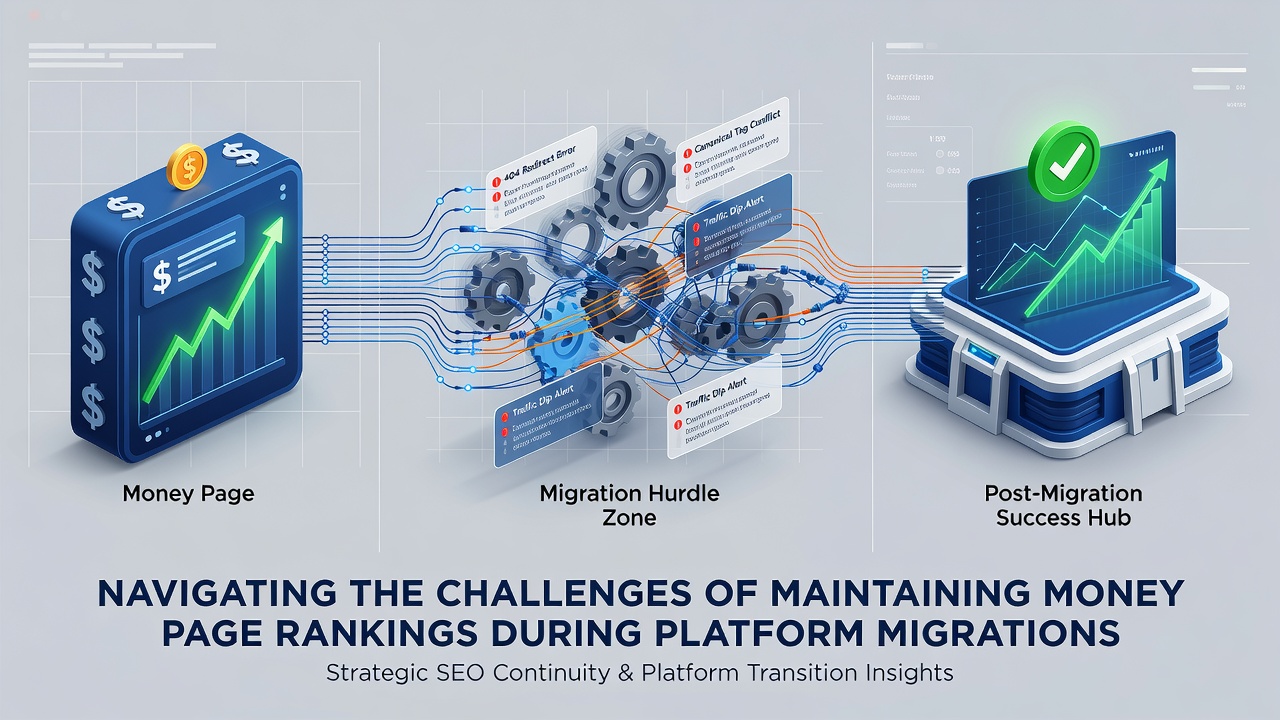
Platform migrations involve shifting a website from one content management system, hosting environment, or domain structure to another, and money pages which generate revenue through affiliates or direct sales often experience ranking fluctuations during these transitions because search engines re-evaluate signals like page speed, mobile responsiveness, and internal linking architecture. Data from industry reports shows that such changes can disrupt crawl budgets and indexing patterns when URLs shift or when new templates alter content hierarchy, leading observers to track performance metrics closely before and after the move.
Core Technical Shifts That Affect Rankings
Changes to server infrastructure frequently alter loading times and security protocols, while experts note that money pages relying on dynamic elements such as personalized recommendations or real-time pricing may see their positions drop if the new platform does not replicate these features identically. Researchers at academic institutions have documented cases where database migrations caused temporary content duplication issues, prompting search engines to consolidate or deprioritize affected pages until canonical tags and sitemaps were updated across the entire site.
Design overhauls that accompany migrations introduce new navigation menus and layout grids, and figures from web analytics platforms reveal that user engagement metrics like dwell time and bounce rates shift when familiar pathways disappear. Those who monitor these transitions point out that maintaining consistent schema markup for product information and review sections helps preserve rich snippet eligibility, whereas incomplete implementation often results in lost visibility in search results.
Monitoring and Phased Rollout Approaches
Teams typically begin with a staging environment to test redirects and crawl simulations, and this step allows identification of broken internal links that could dilute authority flow to revenue-generating pages. According to documentation from Google Search Central, proper implementation of server-side redirects preserves ranking signals when content locations change, while client-side alternatives may introduce delays in re-indexing. Observers have recorded that gradual migration of non-critical sections first provides comparative data on how money pages respond under the new setup before full deployment occurs.
September 2026 brings scheduled enhancements to several major hosting providers that include updated caching mechanisms and IPv6 prioritization, and site administrators are preparing migration timelines around these releases to minimize overlap with algorithm adjustments. Data indicates that aligning platform moves with these infrastructure improvements can stabilize crawl frequency, although simultaneous changes require additional verification of log files to confirm search engine bots receive updated sitemap submissions without errors.
Content and User Experience Considerations
Content parity checks become essential because new platforms may apply different text rendering or image compression settings that affect keyword density and readability scores. Studies from research organizations show that money pages with embedded video or interactive calculators lose ranking traction when media files fail to migrate with preserved metadata, prompting teams to audit asset libraries in advance. Those who've studied migration outcomes note that preserving alt text and heading structures supports topical relevance signals that search engines use to evaluate page authority.
Accessibility features such as ARIA labels and keyboard navigation often receive updates during migrations, and European Union accessibility directives require compliance that can influence how search engines interpret site quality. A report from an Australian academic source highlights that sites incorporating these standards early maintained steadier traffic patterns to commercial pages compared with those addressing issues post-launch.
Post-Migration Verification Steps
Log analysis tools help confirm that search engine crawlers discover new URLs promptly, and integration with third-party rank tracking services provides daily snapshots of money page positions across multiple regions. When discrepancies appear, adjustments to robots.txt directives or hreflang tags for international versions restore visibility without requiring full re-submission of the site. Industry organizations focused on digital marketing have compiled case studies demonstrating that cross-referencing server logs with search console data accelerates identification of indexing gaps that otherwise linger for weeks.
Conclusion
Platform migrations present measurable risks to money page rankings through shifts in technical performance, content presentation, and indexing behavior, yet structured testing and adherence to established protocols allow recovery within established timeframes. Evidence from multiple sources continues to guide practitioners in balancing migration schedules with external updates such as those planned for September 2026, ensuring revenue-focused pages retain their positions through careful coordination of redirects, markup, and monitoring practices.