Clara Powell · 7 November 2026
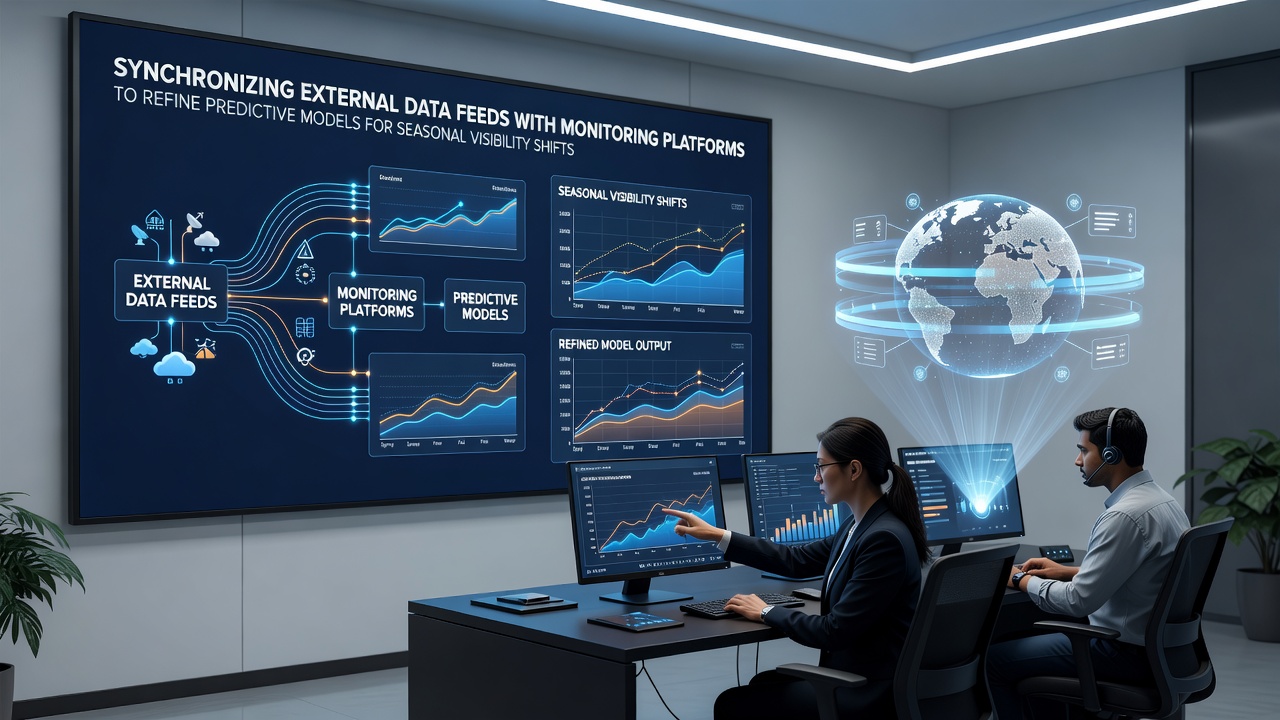
Synchronizing External Data Feeds with Monitoring Platforms to Refine Predictive Models for Seasonal Visibility Shifts
Organizations track search visibility through monitoring platforms that pull rankings, impressions, and traffic metrics on a daily basis, yet seasonal shifts often require additional context from outside sources to build accurate forecasts. External data feeds supply information on weather patterns, consumer spending cycles, event calendars, and economic indicators, and teams integrate these streams directly into existing dashboards so predictive models can account for recurring fluctuations instead of treating every dip or spike as an anomaly.
Identifying Relevant External Data Sources
Multiple categories of external information prove useful when visibility changes follow predictable annual rhythms. Weather services deliver temperature and precipitation forecasts that correlate with regional search behavior for products such as outdoor gear or winter clothing, while government statistical agencies release monthly retail sales figures that help calibrate expectations around holiday shopping surges. Industry associations publish event schedules for trade shows and conferences, and academic research groups contribute studies on how public holidays influence online query volumes across different countries.
According to data from the U.S. Bureau of Labor Statistics, retail employment and consumer activity display clear seasonal signatures that repeat each year, and these patterns frequently align with measurable movements in search rankings for e-commerce sites. Canadian statistical agencies publish similar datasets that allow cross-border comparisons, while Australian Bureau of Statistics reports provide southern-hemisphere perspectives on the same phenomena.
Technical Approaches to Data Synchronization
Platforms accept incoming feeds through scheduled API calls or file transfers that run at consistent intervals, and engineers map incoming fields to internal schema columns so timestamp alignment occurs automatically. Middleware tools handle format conversion between JSON, CSV, and XML structures, while validation scripts flag missing values or outliers before they reach the modeling layer. Real-time streams supplement batch updates when rapid events such as sudden weather shifts or breaking news require immediate model recalibration.
One study from a European research consortium demonstrated that combining hourly weather observations with daily ranking snapshots improved forecast accuracy for tourism-related keywords by measurable margins during peak summer months. Teams configure alert thresholds so that synchronization failures trigger notifications rather than silent data gaps that would otherwise degrade model performance over successive seasons.
Refining Predictive Models with Integrated Inputs
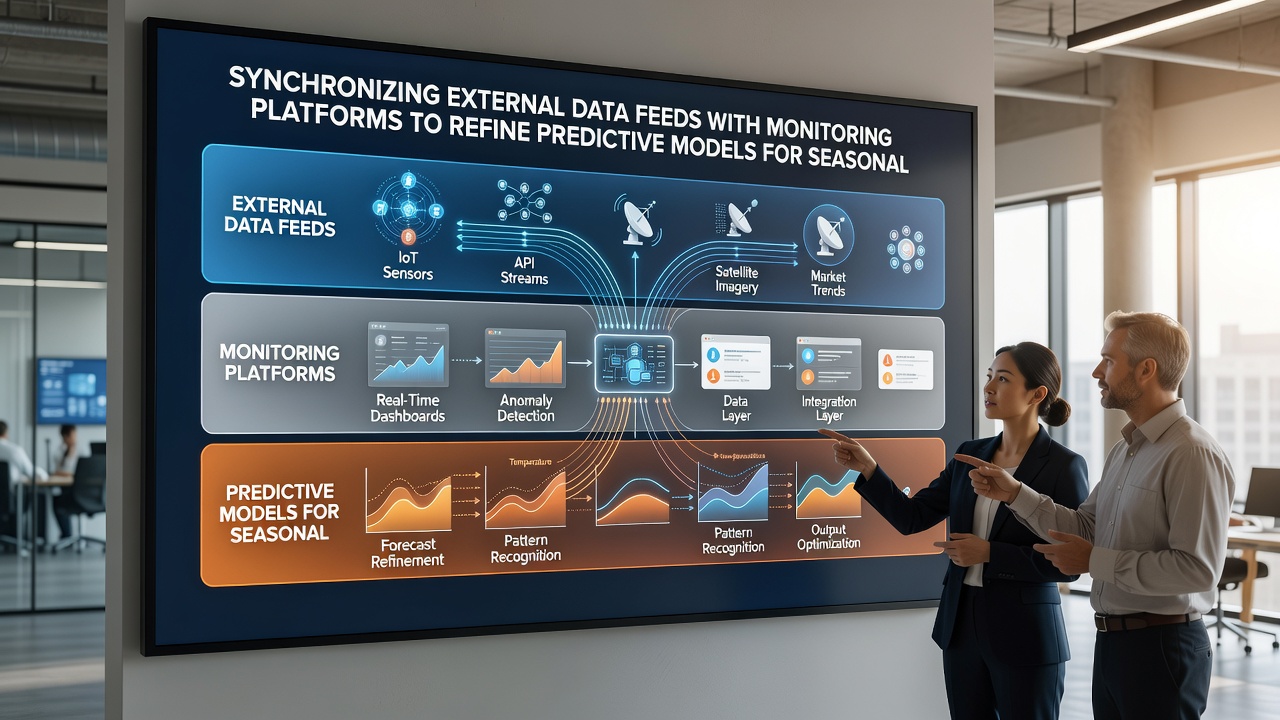
Once feeds flow into the monitoring environment, analysts retrain regression and time-series algorithms on the enriched dataset. Feature engineering steps create derived variables such as days until next major holiday or deviation from historical temperature averages, and these additions allow models to distinguish routine seasonal decline from unexpected ranking erosion. Cross-validation techniques test performance on past November cycles to confirm that added variables reduce error rates without introducing overfitting.
Research indicates that models incorporating synchronized external signals outperform baseline versions trained solely on historical visibility metrics, particularly when November 2026 data releases from multiple national statistics offices become available for retraining. Continuous feedback loops compare predicted versus observed visibility each week, and teams adjust weighting coefficients accordingly before the next seasonal window arrives.
Implementation Considerations Across Organizations
Enterprises establish governance rules that define which external sources receive priority during synchronization conflicts, and they document latency tolerances so that delayed feeds do not stall daily reporting cycles. Smaller teams often rely on open-source connectors and scheduled scripts, whereas larger operations deploy dedicated data pipelines with monitoring dashboards that track feed health metrics in real time. Security protocols require encryption during transfer and access controls that limit which personnel can modify mapping rules.
Case examples from logistics companies show that integrating port congestion data with visibility tracking allowed earlier detection of ranking drops tied to supply chain disruptions during peak shipping seasons. Similar approaches appear in financial services where regulatory filing deadlines create predictable search spikes that external calendar feeds help anticipate.
Conclusion
Synchronizing external data feeds with monitoring platforms supplies the additional signals needed to improve predictive accuracy around seasonal visibility shifts. Organizations that maintain reliable connections to weather, economic, and event datasets gain the ability to separate expected cyclical changes from genuine performance issues. As new data releases arrive in periods such as November 2026, updated models continue to benefit from these integrated streams, and the resulting forecasts support more precise resource allocation across marketing and technical teams.